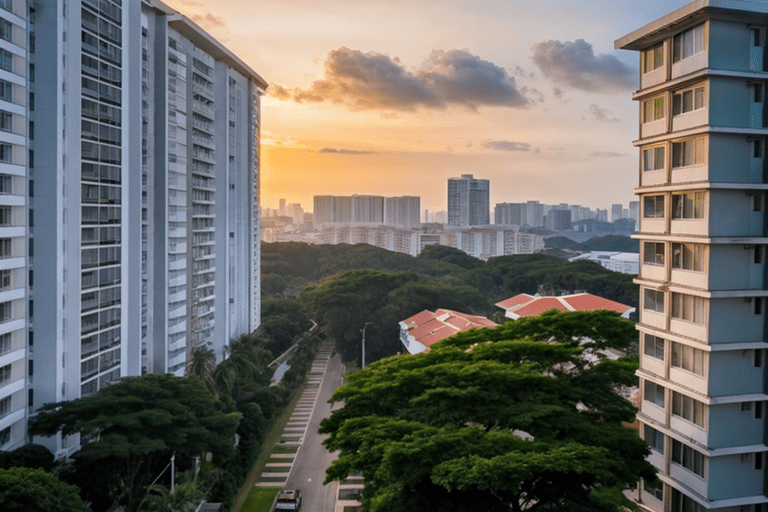
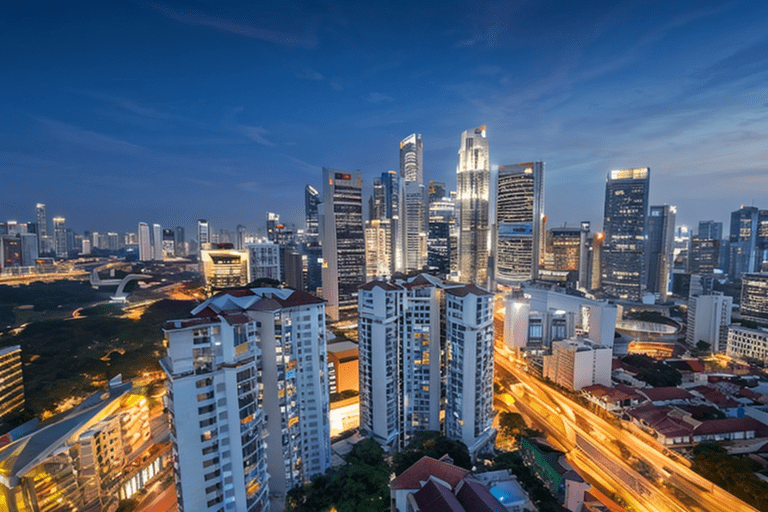
Singapore has been associated with high-rise apartments, but the country presents a rich extravaganza of landed properties, as well. These number of landed properties in Singapore are in high demand, especially among those affluent.
The number of landed properties in Singapore includes Terrace houses, semi-detached houses, detached houses, and bungalows. They are the epitome of luxury in the city-state’s vibrant property market.
In this guide on the number of landed properties in Singapore, let’s learn more about the diversity of the landed properties that one can buy, the aspects that may affect the prices of the landed properties, and the most reasonably-priced freehold landed properties.
Number of Landed Properties in Singapore
Landed properties in Singapore come in various configurations, each with its distinct features, land sizes, and price points. Here’s an overview of the number of landed properties in Singapore:
Terrace Houses
Terraced houses, also known as row houses, are the most common type of landed property in Singapore. These houses are side by side and are linked to other buildings on both of the available sides, making a continuous long line or terrace.
Terrace houses typically have a narrow frontage and extend further back, with a private garden or yard at the rear. They are relatively low in cost, they afford privacy while at the same time, are conducive to communal living hence being preferred for families and young professionals.
Semi-Detached Houses
Semi-detached houses refer to houses that are built side by side sharing a wall, but not the entire structure on one side. They include more privacy, built-up area, and seclusion than the terraced houses since they are in contact with only one neighbor.
This type of housing normally sits on larger parcels of land and, thus, can provide adequate areas for landscaping, car parking, and installations like private swimming pools.
Due to their increased size and privacy, semi-detached houses command higher prices than terraced houses.
Detached Houses
Detached houses are standalone properties that are not connected to any other units. They are more private, larger, and luxurious than the other landed properties in Singapore.
Detached houses are usually constructed on rather extensive pieces of land to allow for the creation of vast gardens, several parking spaces, and nearly any form of facilities, such as pools, game rooms, and guest houses.
These are the most costly types of landed housing in Singapore, which targets the high-end market of the population for homeownership and investment.
Bungalows
Bungalows are a particular type of detached residences that stand as symbols of opulence and status among other homes in Singapore.
According to the URA specification, they are defined as single-independent house units planned to have a site area of at least 400 sqm (4,305 sqft) and a max gross floor area of two stories inclusive of a living space.
Bungalows are homes usually gated and situated in the finest parts of town as a result of Nassim Road, Dalvey Estate, and Sentosa Cove among others, and they possess spacious compounds, magnificent gardens, as well as high-end finishes and fixtures.
Considering their availability and popularity, bungalows are the most costly form of landed property in Singapore.
Estimated Number of Landed Properties in Singapore

According to data from the Singapore Department of Statistics, as of 2021, the number of landed properties in Singapore was approximately 73,000, comprising about 5% of the total housing inventory. The breakdown of the number of landed properties in Singapore by type is as follows:
- Terraced Houses: 47,000 units (64% of landed properties)
- Semi-Detached Houses: 16,000 units (22% of landed properties)
- Detached Houses: 10,000 units (14% of landed properties)
The number of landed properties in Singapore is not very large in the general picture but these properties are always in huge demand due to factors like space, privacy, and exclusivity.
Due to the scarcity of the number of landed properties in Singapore along with high demand, the prices have gone up as well as the returns on investment.
Dynamics that affect the Landed property prices in Singapore
Aside from the number of landed properties in Singapore, the prices of landed properties in Singapore are also influenced by a range of factors, including:
1. Location
This again goes a long way to affirm that location remains one of the biggest ways through which the price of landed property in Singapore can be dictated. As the number of landed properties in Singapore is limited to land use, the areas where landed properties can be found are restricted to certain districts.
Properties in the CCR districts particularly Districts 9, 10, and 11, areas like Orchard, Bukit Timah, and Newton, are a bit more expensive due to proximity to good schools, shopping, dining, and recreational zones.
Landed properties in relatively less developed regions like Districts 19, 23, and 27 including Serangoon, Bukit Panjang, and Yishun are relatively cheaper, but the quality of life is superb.
2. Land Size
The land size of a landed property is another key factor influencing its price. When there is more area, houses are comparatively more elaborate, gardens are much larger, and the opportunity for facilities is greater.
This reason contributes to more expensive costs. In Singapore, the sizes of landed properties vary, however, they are normally measured from 1,000 square feet of terrace housing to more than 15,000 square feet for large bungalows.
3. Tenure
The tenure of a landed property, whether freehold or leasehold, also impacts its price. Leasehold properties, which have a limited tenure of 99 years or less are cheaper than freehold properties which provide permanent ownership rights.
Landed properties are desirable because ownership is limited and commands a high capital gain in the long run; conversely, leasehold properties are relatively cheaper than freehold properties.
4. Age and Condition
The age and condition of a landed property can significantly influence its price. Newer properties that have better and more fashionable designs, well-done refurbishment works, and well-maintained conditions, in general, are always estimated higher than older properties that might need urgent renovation.
Some buyers prefer properties with older structures associated with classical architecture, additional space, or the possibility of obtaining extra space after redevelopment, which adds to the price level.
5. Market Conditions
Aside from the number of landed properties in Singapore, other market factors influence the prices of landed properties in Singapore; these include the state of the economy, interest rates, and government regulations.
This is because booming economies and low interest rate regimes demand more on the landed properties, thus pushing the prices up.
On the other hand, adverse or cooling measures like Additional Buyer’s Stamp Duty (ABSD) or Total Debt Servicing Ratio (TDSR) established by the government can slow down the demand and thereby control the price hike.
Cheapest Freehold Landed Properties in Singapore

Compared to apartments or condominiums in Singapore, landed properties can be relatively expensive, and despite that, there are freehold landed properties that are affordable to those who dream of owning a landed property. Here are some of the cheapest freehold landed property types and locations in Singapore:
Terraced Houses in the Outside Central Region (OCR)
Landed properties in Singapore especially the freehold terrace houses are relatively cheap and can be found in the suburbs like Sembawang, Yishun, and Woodlands.
Instances of such properties vary between $1.5 million to $2.5 million depending on factors such as the size of the land, the age of the land, and the condition of the land.
Smaller Detached Houses in the OCR
Other similar options for relatively cheaper freehold land and landed housing are some compact detached houses, including some parts in the OCR with land sizes from about 2,000 square feet to 3,000 square feet.
They generally come with prices of approximately $3 million to $5 million and enhance privacy, space, and value for the amount spent.
Corner Terrace Houses
Corner terraced houses, located at the end of a row of terraced houses, often command a slight premium over intermediate units due to their additional windows and improved ventilation.
However, they can still offer a more affordable freehold option than semi-detached or detached houses, with prices typically ranging from $2 million to $4 million, depending on location and land size.
Cluster Houses
Cluster houses are a fairly recent addition to the landed property category in Singapore and are cheaper and low-maintenance dwellings than other types of landed homes.
These are property developments with characteristics of condominiums and landed houses and comprise strata terrace houses and semi-detached houses within a compound containing facilities like swimming pools and tennis/basketball courts, gyms and beautifully laid out gardens.
Freehold cluster houses could be even cheaper than detached houses but are still considered as landed property with prices starting from $2,000,000 up to $4,000,000.
It is worth noting that compared to prevailing apartment and condominium prices in Singapore, these options are considered the cheapest in the freehold landed property category.
Before any buyer can purchase a landed property, they need to ask themselves pertinent questions such as, am I financially capable of taking up this property, and do I intend to resell this project after some time?
Conclusion
Landed properties in Singapore offer a unique and highly coveted living experience, characterized by spacious layouts, private gardens, and exclusive amenities.
For instance, the landed housing market comprises various property types, from terrace houses to bungalows, thus offering options to buyers of different classes.
By understanding the different types of landed properties, the factors that influence their prices, and the affordable freehold options available in various locations, potential buyers can make well-informed decisions and navigate Singapore’s competitive landed property market confidently.
Whether a local looking to upgrade, a foreign investor seeking a prestigious asset, or a first-time buyer aspiring to own a piece of landed real estate, Singapore’s landed property market has in store for you a wealth of opportunities if you value privacy, exclusivity, and a sense of landed living in the heart of a bustling global city.