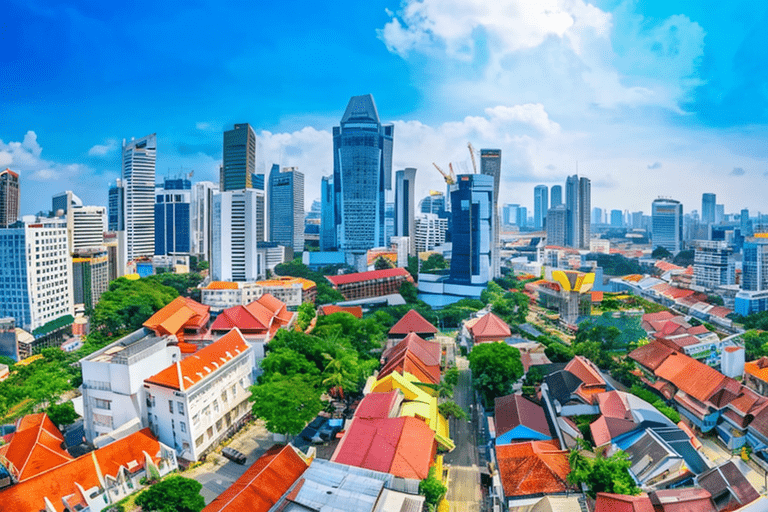
Owning or investing in a house in Singapore is one of the most vital decisions for anyone. Investing in property within this city-state is a profitable proposal.
Since Singapore has HDB flats and condominiums, landed properties, and commercial properties. Prospective consumers need to know what they are doing, how they should do it, and the attitudes that would make them win in this situation.
This Property buying guide Singapore will focus on some of the most important elements of investing in real estate which are the funding, the location, the types of properties, and legal questions.
Property Buying Guide Singapore #1
Assess Your Financial Capacity
Money management is a critical facet that one needs to consider before plunging into a property purchase. These involve the assessment of income, capital, credits, and liabilities that comprise the overall picture of a person’s finances. Consider the following factors in this Property Buying Guide Singapore:
Affordability
First of all, one must ask themselves the question, how much am I able, and willing, to pay for a property, based on my income today and in the foreseeable future, and based on any other obligations I may have?
Down Payment
Many properties not restricted under the Housing and Development Board (HBD) in Singapore require a substantial down payment typically 20-25% of their price, while for HBD properties, this value is about 10-20% of the property’s price. Ensure you have enough cash to cater for this initial cost.
Mortgage Payments
For you to calculate the monthly mortgage you will be required to pay for the given loan amount, interest rate, and loan tenure, make use of a mortgage calculator to make sure that the monthly installments that you settle for are convenient and do not exceed 30-35% of your gross monthly income.
Additional Costs
Add other costs that may be incurred in owning a property for instance taxes, fees, insurance, and renovation costs.
Property Buying Guide Singapore #2
Understand Your Financing Options
The next step in the Property Buying Guide Singapore is to understand your financing. Funding is a major factor when it comes to property purchases in Singapore. It is advisable to learn about the various funding sources that are in the market and then go for the one that is most suitable for you.
Bank Loans
Mortgage loans have been made available by banks in Singapore with low interest rates, but the terms and conditions of the repayment schedule for home loans may differ. Know the different banks’ terms and negotiate for a better deal.
HDB Loans
In the case of HDB flats, there are HDB loans, and they are cheaper as far as interest rates are concerned, as well as easier credit scoring compared to bank loans.
CPF Savings
Singapore citizens and permanent residents can use the CPF to fund their property purchase, but it is regulated in certain ways & limitations.
Loan-To-Value (LTV) Ratio
Be aware of the LTV ratio, as it determines the maximum amount you can borrow given the value of the property, your age, and the tenure of the loan.
Property Buying Guide Singapore #3

Determine Your Property Needs and Preferences
The third step of the Property Buying Guide Singapore is to determine your needs and preferences. First and foremost, know what you want and need before procuring a property. This will assist you to filter down all the options so that you can make wise decisions.
Property Type
Choose the kind of property that would be most convenient to your lifestyle and fiscal capacity whether it is an HDB flat, condominium, a landed property, or commercial unit.
Location
Consider factors such as proximity to your workplace, schools, amenities, and public transportation. Find out the possibility of future development and possible increase in land value.
Size and Layout
Decide the right size and structure of the property according to the size of your family, and your future expectations.
Amenities and Facilities
In the case of condominiums or private property, include factors like swimming pools, gyms, security, and other facilities in the property, while considering the cost of maintaining them in the form of fees.
Property Buying Guide Singapore #4
Conduct Thorough Due Diligence
The fourth step of Property Buying Guide Singapore is to conduct due diligence. Anyone looking forward to investing in properties must research diligently to avoid blunders in property investment.
Property Valuation
Get the property assessed by a qualified property appraiser to ascertain that the price offered is reasonable in the prevailing market conditions. Refers to the URA’s Property Market Information portal for more up-to-date transaction figures on similar properties.
Property Inspection
Hire a professional to conduct a property assessment to check for defects that might render the property unpopular or reduce its value.
Legal Checks
Instruct the conveyancing lawyer to examine the property title and register, ownership of the property, and if there are any covenants or other restraints on the premises.
Resale Checklist
Before you buy an HDB resale flat, the HDB Resale Checklist should be regarded as the guide to the necessary papers like the seller’s HDB Loan Eligibility Letter, the title deed of the property, and the last bills on property tax, service, and conservancy charges.
Property Buying Guide Singapore #5
Be Aware of Government Regulations and Policies
Singapore’s property market has several government rules and policies that are essential for maintaining a healthy and affordable property market. Ensure you know such regulations and how they affect your ability to purchase a property in the fifth step of the Property Buying Guide Singapore.
Additional Buyer’s Stamp Duty (ABSD)
BSD is a tax paid by foreign buyers, companies, individuals, Singaporean residents, and those owning their second and third homes.
Seller’s Stamp Duty (SSD)
SSD is an arbitrary tax levied on property sellers who sell the property within the holding period of the property which is typically three years from the date of purchase.
Total Debt Servicing Ratio (TDSR)
TDSR regulates the total monthly sum of debt repayment (of the concerned property loan included) to be 55% of general monthly revenue.
Eligibility Conditions
The requirements for buying various forms of property include but are not limited to; citizenship, age, income, and the type of property like HBD flats, executive condominiums, and landed properties.
Property Buying Guide Singapore #6
Work with Reputable Property Professionals
The sixth step of the Property Buying Guide Singapore, it is advisable to seek the services of competent property professionals, to tremendously ease your purchase and put you in a better position to make sound choices.
Property Agents
The agent should give information on the market, and the appropriate properties to be leased or sold and negotiate and execute the deal. Focus on agents who have working experience and mostly those who have many satisfied clients.
Mortgage Brokers
Mortgage brokers can help you compare and secure the best home loan packages from various banks and financial institutions, saving you time and potentially money.
Conveyancing Lawyers
Except for estates in special developments, a conveyancing lawyer will assist you in reviewing the Sales and Purchase Agreement of the property and do some legal checks during the transfer of property.
Property Buying Guide Singapore #7

Be Prepared for the Property Buying Process
Familiarize yourself with the typical property buying process in Singapore, which includes several key stages in the Property Buying Guide Singapore:
Property Search
Contact property portals and property agents to explore the various available properties you can afford and those you prefer.
Offer and Negotiation
After you have found a property, request an Offer to Purchase (OTP) from the seller of the property, outlining your proposed price and any conditions. Negotiate the price till an agreement is reached by both the buyer and the seller.
Option to Purchase
For private properties, obtain the OTP by entering into an agreement whereby you pay an option fee which is usually 1% of the price to be paid for the property. For HDB flats, the resale application has to be submitted accompanied by an option fee which will not exceed $1,000.
Sale and Purchase Agreement
Review and sign the Sale and Purchase Agreement, which outlines the final terms and conditions of the sale.
Loan Application and Approval
Fill out an application for a loan in the bank or any other financial organization you want and send the necessary documents to secure loan approval.
Completion and Key Collection
After the transaction has been finally closed, and the final payment for the purchase price has been made, get the keys to your new home.
Property Buying Guide Singapore #8
Have a Long-Term Perspective
Look at property purchasing in the long term and consider your future needs, financial plan, and possibly expected returns.
Housing Upgrades
If you’re purchasing an HDB flat or a starter home, consider how your housing needs may evolve, and how you may need to upgrade to a larger flat or a private property.
Investment Potential
When acquiring the property for investment, factors to consider are capital appreciation and rental yields given from the specific location, property type, and market conditions.
Financial Planning
Include your property purchase in your financial planning, including other factors like your retirement planning, your children’s education, and wealth creation.
Case Studies – Property Buying Guide Singapore
Upgrading to a Private Condominium
Michael and Lisa, a middle-aged couple with two children, have lived in their 5-room HDB flat for the past decade. With their combined income of $12,000 monthly and substantial savings, they want to upgrade to a private condominium for more space and amenities.
After researching various locations and developments, they identified a suitable 3-bedroom unit in a well-connected neighborhood, priced at $1.5 million. They contact a property agent to help them negotiate the price and a mortgage broker to secure a bank loan. Through due diligence and financial planning, Michael and Lisa transition to their new home while ensuring long-term stability.
Conclusion
Buying a house is a big investment that anyone in Singapore should not rush into and therefore has to be done right. Thus, using the information provided in this Property Buying Guide Singapore, you will be able to search for the property of your dreams and be protected from the most frequent mistakes.
One has to know their financial status, the types of funding that are open to one, and the property requirement; one has to ensure that due process is followed to the letter, and one has to know the government’s policy on property ownership. In the property markets, it is advised that the consumer should involve the agents, brokers in mortgage, and lawyers in acquiring the property, as well as in protecting the consumer’s interest.
Hence, it can be concluded that being informed, active, and patient is very important especially when buying property in Singapore. Equipping oneself with the information in this Property Buying Guide Singapore, it is possible to maximize the potential in the constantly changing Singapore property market to secure a brighter future.